
Surprising Generator Innovations
August 7, 2025
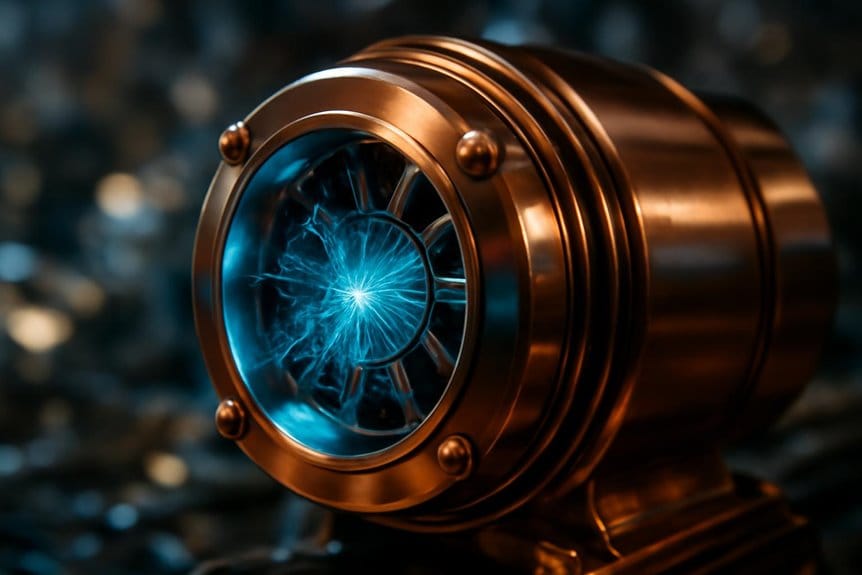
Surprising generator innovations include bio-inspired designs mimicking aquatic life to harness energy from water currents efficiently. Advances in diesel and electric generators boost power output and reduce fuel use through turbocharging and inverter technologies. Smart systems with predictive maintenance improve reliability. Sustainable options like hydrogen fuel cells and bio-fuels cut emissions markedly. Noise reduction and hybrid renewable setups enhance usability and environmental compliance. Exploring these developments reveals how generator technology is evolving to meet future energy challenges.
Key Takeaways
- Bio-inspired generators mimic aquatic organisms’ movements to efficiently convert water currents into clean mechanical energy with minimal environmental impact.
- Turbocharging and common rail fuel injection boost diesel generator efficiency by up to 30%, enhancing power output and reducing fuel consumption.
- IoT and AI-driven predictive maintenance improve generator reliability by forecasting failures and enabling real-time performance optimization.
- Integration of hydrogen fuel cells and HVO bio-fuels drastically cuts emissions, supporting eco-friendly and sustainable generator technologies.
- Advanced noise reduction techniques, including soundproofing and hybrid systems, lower operational noise to as little as 50 dB for quieter performance.
Bio-Inspired Energy Generation Techniques
How can nature’s mechanisms inspire innovative energy solutions? Bio-inspired generators harness principles observed in aquatic organisms to convert mechanical energy into electricity efficiently. Devices like VIVACE utilize vortex-induced vibrations, mimicking fish such as trout, to extract power from water currents with minimal ecological disruption. These renewable devices replicate natural movement patterns, employing flexible fins or oscillating cylinders that optimize flow dynamics for enhanced energy efficiency. Additionally, biological adaptations like the golden-scale snail’s force dissipation inform designs that capture environmental mechanical forces effectively. As AI tools like HyperWrite continue to support creative potential and efficiency, they also contribute to optimizing the design and functionality of bio-inspired generators by providing novel insights and refining design processes.
Advances in Diesel and Electric Generator Efficiency
Where do recent technological advancements stand in enhancing diesel and electric generator efficiency? Diesel technology has seen significant improvements with turbocharging, which boosts power output by 20-30% through better air intake and combustion. Additionally, modern common rail fuel injection systems optimize fuel delivery per cylinder, achieving fuel optimization gains of up to 30%.
Electric generators have benefited from inverter technology, delivering cleaner power with reduced harmonic distortion, increasing overall generator efficiency and stability. High-efficiency alternators that use advanced magnetic materials and cooling systems improve energy conversion by about 5%.
Moreover, integrated energy management systems enable real-time performance optimization, further enhancing efficiency and reducing fuel consumption. Together, these advances markedly improve the operational efficiency of both diesel and electric generators. Furthermore, AI-powered content creation offers innovative methods for automating generator diagnostics and maintenance scheduling, thereby maximizing operational uptime and reliability.
Integration of Smart and Predictive Technologies
Building on improvements in diesel and electric generator efficiency, recent developments emphasize the integration of smart and predictive technologies to further optimize performance. IoT-enabled monitoring systems deliver real-time data and remote control, enabling enhanced generator management.
Smart sensors detect issues such as overloads or abnormal vibrations, triggering automatic shutdowns to prevent damage.
AI-driven predictive maintenance leverages operational data and predictive analytics to forecast failures and schedule proactive upkeep, reducing downtime and maintenance costs by 20-25%. This approach extends equipment lifespan while minimizing unscheduled outages.
The combined use of these technologies notably improves operational efficiency and safety, marking a critical step in modern generator innovation without compromising reliability or increasing manual oversight. AI-driven content tools automate the gathering and analysis of operational data, ensuring that the integration of smart technologies is aligned with strategic objectives.
Sustainable and Eco-Friendly Generator Solutions
Why prioritize sustainability in generator technology? The growing environmental impact of traditional generators necessitates a shift toward sustainable solutions. Innovations incorporating renewable energy sources, such as hydrogen fuel cells and bio-based HVO fuel derived from waste oils, offer significant emissions reduction.
Hydrogen fuel cells produce electricity with water vapor as the sole byproduct, representing a clean energy alternative. HVO fuel can cut greenhouse gas emissions by up to 90%, enhancing fuel efficiency and reducing reliance on fossil fuels.
Leading manufacturers like INMESOL and KOHLER increasingly adopt these technologies to align with global sustainability goals. Advances in clean energy integration and improved fuel efficiency are driving the development of eco-friendly generator systems, marking an essential step toward reducing environmental footprints in power generation. Automated summaries enhance efficiency while maintaining accuracy and relevance in reporting.
Noise Reduction and Hybrid Renewable Systems
Advancements in sustainable generator technology increasingly address operational noise alongside emissions reduction. Noise reduction innovations include soundproof enclosures, vibration dampers, and noise-canceling technologies, achieving levels as low as 50 dB, comparable to a quiet conversation. Hybrid renewable systems, such as solar-diesel setups, reduce fuel consumption by up to 40%, lowering noise and operational costs while promoting environmental sustainability. These improvements enable compliance with strict noise regulations, expanding generator use in sensitive environments. Many AI writing tools support multilingual capabilities, which can aid in crafting content about such technological advancements in different languages.
| Feature | Benefit | Impact |
|---|---|---|
| Soundproof Enclosures | Minimize noise disturbance | Suitable for urban settings |
| Vibration Dampers | Reduce mechanical wear | Prolong equipment lifespan |
| Hybrid Renewable Systems | Lower fuel use and noise | Enhance environmental goals |
| Noise-Canceling Tech | Achieve ultra-quiet operation | Comply with strict standards |
Market Trends and Future Directions in Generator Technology
The generator market is experiencing a significant shift toward sustainable and eco-friendly solutions, reflected in a 25% increase in consumer demand for multi-fuel and hybrid models over the past two years. This trend highlights growing emphasis on reducing emissions and integrating renewable energy sources.
A new sentence with multilingual review creation capabilities and the rest of the sentence.
Future directions in generator technology focus on enhancing energy efficiency and operational flexibility. Key market trends include:
- Development of solar-diesel hybrid systems reducing fuel consumption by up to 40%
- Implementation of inverter technology and smart controls driving up to 30% efficiency gains
- Modular, upgradeable designs enabling easier maintenance and continuous operation
Industry leaders, such as Cummins, are setting new benchmarks by improving energy efficiency by 30% over the last decade, steering the market toward more sustainable, resilient power solutions.
Write smarter, starting today
Join entrepreneurs and teams who draft, rewrite and ship their content with one AI suite.