
AI Writers for Scriptwriting: Pros and Cons
July 21, 2025

AI writers offer significant pros for scriptwriting. They enhance creativity by suggesting plot points and characters. AI expedites draft creation and overcomes writer's block. It aids narrative cohesion and generates diverse story seeds. However, cons include potential generic output and intellectual property issues. The writer's role redefines towards collaboration. Understanding these dynamics is essential for future narrative development.
Key Takeaways
- AI enhances scriptwriting by suggesting ideas, character arcs, and dialogue.
- AI tools accelerate initial content generation, reducing time for outlining.
- AI aids narrative cohesion by identifying plot holes and ensuring consistency.
- AI-generated scripts raise complex copyright and authorship concerns.
- AI acts as a collaborative tool, not a replacement, for human creativity.
Enhancing the Creative Process

How can artificial intelligence assist in the intricate task of scriptwriting? AI tools can act as collaborators, suggesting plot points, character arcs, and dialogue variations. They offer novel perspectives, helping writers overcome creative blocks by generating a multitude of possibilities. However, the specter of AI bias looms, as algorithms trained on existing data may perpetuate societal stereotypes. Crafting compelling narratives often hinges on nuanced characters and genuine emotional depth, areas where AI currently struggles to replicate human experience. While AI can analyze patterns and predict audience engagement, infusing a script with authentic emotional resonance remains a distinctly human endeavor, requiring empathy and lived experience that current AI lacks. Additionally, using AI in scriptwriting can be seen as a way to leverage social media to amplify the reach of content, as AI-generated scripts can be quickly adapted and shared on various platforms to target specific audience segments.
Expediting Draft Creation
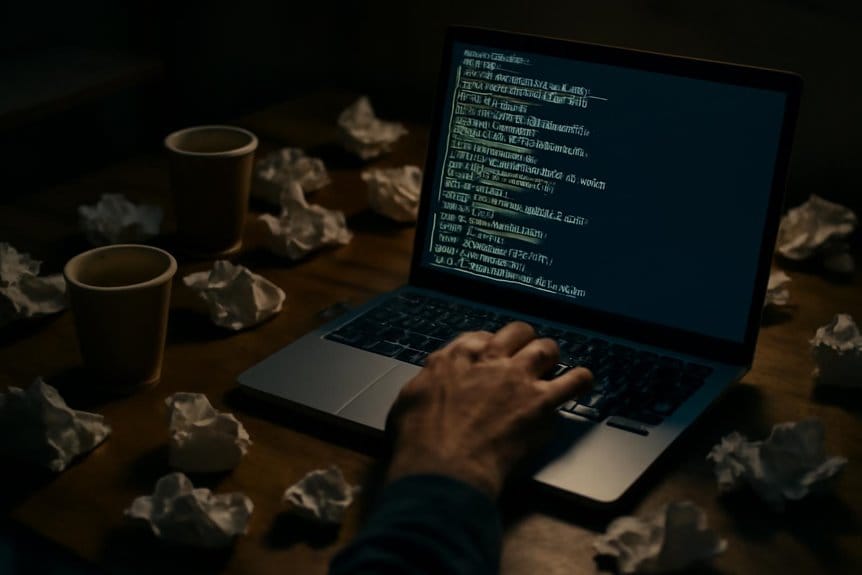
AI-powered writing assistants can substantially accelerate the process of drafting scripts by generating initial scene ideas, character descriptions, and dialogue based on user prompts. This capability markedly reduces the time spent on preliminary outlining and foundational content creation. By providing a rapid starting point, these tools allow human writers to focus on refinement, thematic development, and nuanced storytelling rather than the initial blank page. However, the speed of generation can be a double-edged sword; early drafts may reflect AI biases embedded within their training data or fall victim to data limitations, potentially leading to generic or uninspired content that requires substantial revision to achieve originality and depth. For scriptwriters, leveraging AI insights for data-driven content optimization can further enhance the drafting process by identifying high-impact themes and topics. Nonetheless, for sheer volume and speed in initial drafting, AI offers a distinct advantage.
Overcoming Writer's Block

When faced with the formidable challenge of writer's block, where can a screenwriter turn for inspiration and momentum? AI writing tools can serve as potent catalysts in these moments of creative stagnation.
Through AI collaboration, writers can explore novel plot twists, character motivations, and dialogue options that might otherwise remain elusive. These systems can generate a multitude of starting points, offering alternative directions when a narrative feels stuck.
Furthermore, AI can be prompted to explore thematic elements and character arcs, potentially unlocking new avenues for developing emotional depth. By providing the AI with scene contexts or character profiles, writers can elicit varied responses, sparking fresh ideas that resonate with the intended emotional core of the story.
Integrating AI into writing workflows can redefine authorship by blending human insight with machine efficiency, enhancing productivity and innovation in storytelling processes. This iterative process of generation and refinement helps to break through creative barriers, keeping the scriptwriting process flowing.Ensuring Narrative Cohesion
Maintaining a consistent and cohesive narrative presents a significant hurdle for screenwriters, a challenge that AI writing assistants can effectively address. These tools can analyze existing script elements, ensuring that plot points logically follow one another and that character development remains consistent throughout. AI can identify potential plot holes or inconsistencies in pacing that might derail the story's flow. Moreover, AI can aid in maintaining genre consistency, ensuring that stylistic choices, dialogue, and thematic elements align with the intended genre. This systematic approach helps creators avoid accidental deviations, reinforcing the narrative's intended impact and adherence to established genre conventions. Additionally, AI tools like Subscribr.ai provide extensive templates and advanced customization options, which can be invaluable for maintaining narrative structure and coherence in different video formats.
Generating Diverse Story Seeds
How can writers overcome creative blocks to spark fresh narrative ideas? AI writers offer a compelling solution by generating a multitude of story seeds, promoting significant genre diversity and encouraging deeper cultural representation. These tools can synthesize disparate elements, producing unique prompts that might not otherwise emerge. Users have reported that HyperWrite’s role in unlocking creative potential is especially beneficial in this context.
| Prompt Type | AI Generation Example | Writer Application |
|---|---|---|
| Character Concept | Displaced alien botanist | Explore themes of belonging and nature |
| Plot Twist | Unexpected family reunion | Introduce conflict and hidden histories |
| Setting Inspiration | Neo-Victorian space station | Blend historical aesthetics with futuristic elements |
This capability assists scriptwriters in exploring unconventional narratives and broadening their thematic palettes, fostering richer and more inclusive storytelling through deliberate genre diversity and proactive cultural representation.
Potential for Generic Storylines
Paradoxically, while AI writers excel at generating diverse story seeds, they also present the inherent risk of producing generic storylines. By analyzing vast datasets of existing narratives, AI models may inadvertently default to established formulas, leading to predictable plots. This reliance on prevalent patterns can result in repetitive themes that lack originality and fail to capture audience attention. The algorithms, designed to identify successful narrative structures, might struggle to introduce genuinely novel concepts or emotional nuances. Moreover, without effective promotion through channels such as social media and influencers, even innovative scripts might not reach their intended audience. Consequently, scripts generated without significant human oversight risk feeling formulaic, adhering too closely to what has been done before, rather than forging new ground in storytelling.
The Human Element of Storytelling
Why do stories resonate so deeply with us? The answer often lies in the unique tapestry of human experience woven into their creation. AI, while capable of pattern recognition and generating narrative structures, currently struggles to imbue scripts with genuine emotional depth. This essential element, born from lived experiences, empathy, and nuanced understanding of human psychology, is what allows audiences to connect with characters and their struggles. Furthermore, achieving true character authenticity presents a significant challenge for AI. Characters that feel real, with their own complex motivations, internal conflicts, and believable flaws, stem from an artist's insight into the human condition. While AI can simulate, it cannot yet replicate the profound wellspring of personal observation and emotional intelligence that fuels compelling, resonant storytelling. AI tools like Sudowrite offer creative support features that enhance fiction writing, but they still rely on human insight for depth and authenticity.
Intellectual Property Quandaries
When AI generates scripts, it raises complex questions about intellectual property rights. The emergence of AI scripting tools introduces significant copyright concerns. Determining ownership becomes problematic when a machine produces creative output. Is the copyright held by the AI developer, the user who prompted the AI, or the AI itself? These originality challenges are at the forefront of legal and creative discussions. Existing copyright frameworks were not designed with AI-generated content in mind, leading to a legal vacuum. This uncertainty impacts the ability to protect creative works and establish clear authorship, potentially hindering further investment in AI creative technologies. Ethical AI use involves transparency, originality checks, and balancing automation with human creativity, which are essential considerations for resolving these intellectual property quandaries. Resolving these intellectual property quandaries is indispensable for the future of AI in scriptwriting.
Redefining the Screenwriter's Role
The unresolved intellectual property quandaries surrounding AI-generated scripts inevitably lead to a consideration of how these technologies reshape the work of human screenwriters. AI tools can assist with foundational elements, freeing up writers for more nuanced creative tasks.
This shifts the screenwriter's focus from rote generation to:
- Conceptual refinement: Elevating plot points and character arcs beyond algorithmic suggestions.
- Voice and tone curation: Injecting unique personality into dialogue and scene descriptions, moving beyond generic screenplay formatting.
- Strategic story development: Guiding AI outputs for tasks like creating variations for a film adaptation.
A new dimension is added as screenwriters learn to utilize AI scriptwriting tools such as Sudowrite and Subscribr, each offering unique features that cater to different aspects of creative storytelling and audience engagement.
The screenwriter's role evolves into that of a conductor, orchestrating AI-generated components into a cohesive and artistically resonant narrative.
Navigating Industry Adaptations
How will the film and television industry adapt to the integration of AI-powered scriptwriting tools? Initial responses suggest a phased approach, with early adopters testing AI for generating loglines, synopses, and basic dialogue. Widespread industry acceptance will likely hinge on demonstrating tangible benefits such as increased efficiency and cost reduction. However, significant technical challenges remain, including ensuring the AI's output aligns with nuanced narrative structures and creative vision. Overcoming these hurdles will involve refining AI algorithms and developing robust workflows that integrate human oversight effectively. Studios and production companies are closely monitoring developments, anticipating a future where AI collaboration becomes a standard practice. Additionally, the industry could benefit from adopting AI writing assistants which leverage natural language processing to ensure high-quality script outputs with minimal human intervention.
Write smarter, starting today
Join entrepreneurs and teams who draft, rewrite and ship their content with one AI suite.